Archie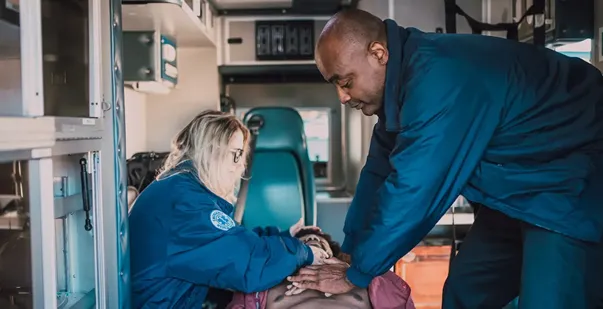
Emergencies can occur without warning, turning ordinary moments into critical situations where immediate action can save lives. Cardiac arrest, choking, drowning, and severe medical distress require prompt intervention before professional help arrives. Completing accredited CPR courses Maitland equips individuals with the practical skills and confidence needed to respond effectively in these moments. Whether at home, in the workplace, or in public spaces, trained responders can make a meaningful difference during medical emergencies.
Confidence To Act In Critical Situations
One of the greatest benefits of accredited CPR training is the confidence it builds. Many people hesitate during emergencies because they fear making mistakes. Accredited programs focus on hands-on practice and realistic scenarios, helping participants develop the ability to assess situations quickly and take appropriate action. Learning how to perform chest compressions, assist breathing, and manage airway obstructions reduces panic and promotes calm decision-making.
Confidence gained through training not only helps the victim. It also reassures those around you, creating a more controlled environment while waiting for emergency responders.
Life Saving Skills For Everyday Situations
CPR instruction offers vital life-saving abilities that are applicable in a variety of circumstances. All ages can experience cardiac arrest, and prompt CPR can greatly increase survival rates. Accredited training also covers choking response, recovery positioning, and basic emergency assessment techniques.
In busy communities, schools, workplaces, and sporting venues, having trained individuals present can greatly improve outcomes during emergencies. Residents who complete Maitland first aid training are better prepared to protect their families, coworkers, and community members when unexpected incidents occur.
Workplace Safety And Compliance Advantages
For many sectors to comply with occupational health and safety regulations, workers must possess a current CPR certification. Accredited CPR courses help businesses comply with regulations while ensuring their teams are prepared to respond to emergencies.
Employers benefit from having trained staff who can respond immediately to incidents such as cardiac events, workplace injuries, or breathing emergencies. This proactive approach reduces risk, enhances safety culture, and demonstrates a commitment to employee well-being.
For workers, certification can improve employability and career opportunities, particularly in sectors such as childcare, healthcare, construction, fitness, and hospitality.
Practical Training With Recognised Standards
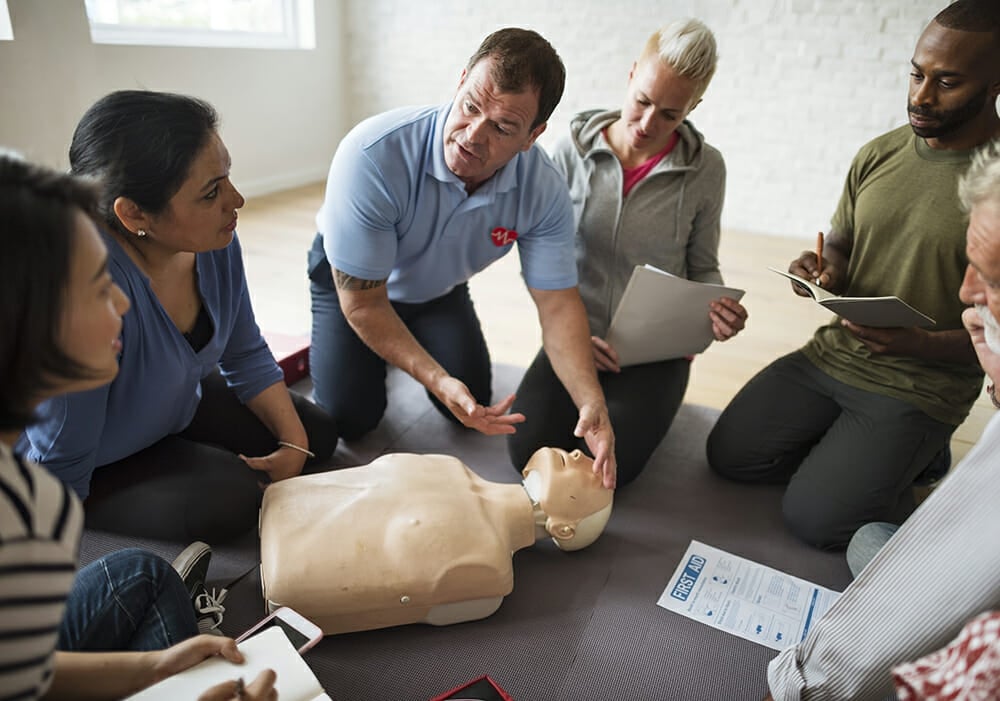
Accredited CPR courses follow nationally recognised guidelines to ensure training meets professional standards. Participants receive instruction from qualified trainers and practice using modern equipment, including CPR manikins and automated external defibrillator trainers.
Training curricula are made to be both useful and approachable. They focus on real-world scenarios rather than theory alone, ensuring participants leave with skills they can confidently apply.
Those who complete a first aid course Maitland through an accredited provider receive certification that is widely recognised by employers, organisations, and regulatory bodies.
Preparedness For Family And Community Safety
Medical emergencies often occur in familiar environments such as homes, schools, and community events. CPR training empowers individuals to protect the people they care about most. Parents can respond quickly to choking incidents, caregivers can assist elderly relatives, and community volunteers can support public safety.
Having CPR-trained individuals within a community strengthens resilience and improves emergency response before paramedics arrive. When it comes to respiratory problems or cardiac arrest, the ability to act quickly can mean the difference between life and death.
Quick Response Improves Survival Outcomes
When cardiac arrest occurs, every minute without CPR reduces survival chances significantly. Emergency services may take several minutes to arrive, making bystander intervention crucial. Until medical assistance arrives, CPR helps sustain oxygen delivery to critical organs and blood circulation.
Accredited training ensures participants understand the importance of timing, compression quality, and consistent rhythm. This knowledge allows trained responders to provide effective assistance during those critical first moments.

Personal Empowerment And Peace Of Mind
Beyond practical skills, CPR training offers peace of mind. Knowing you can respond in an emergency reduces anxiety and increases personal preparedness. Participants often report feeling more aware of safety risks and more proactive about preventing accidents.
This sense of empowerment extends to all areas of life, from parenting and caregiving to workplace responsibilities and community involvement.
Conclusion
Completing accredited CPR training is an investment in safety, confidence, and community well-being. The skills learned can save lives, support workplace compliance, and strengthen emergency preparedness at home and in public settings. With proper training, individuals gain the ability to respond calmly and effectively when every second counts. By equipping yourself with CPR knowledge and practical experience, you become a valuable link in the chain of survival, ready to protect and assist others during life’s most critical moments.