Archie
Personal wellness is often described as a universal goal, yet the journey toward achieving it is deeply personal. What helps one person feel energetic, balanced, and healthy may not have the same effect on someone else. Factors such as age, lifestyle, Work responsibilities, personal values, genetics, and environment all influence individual well being. Rather than comparing ourselves with others, it is more valuable to understand what supports our own physical, mental, and emotional health. By recognizing these differences, people can create wellness habits that are realistic, enjoyable, and sustainable.
Individual Needs Shape Wellness Goals
Every person begins with a Different starting point. Someone who works long office hours may need regular movement breaks throughout the day, while another person with a physically demanding job may benefit more from stretching and quality rest. Personal wellness should never be measured against someone else’s routine because everyone has unique circumstances.
Many people look to health news Australia viral stories for inspiration, but trending health advice should always be adapted to individual needs rather than followed without consideration. The most effective wellness plan is one that matches personal goals, medical history, and daily responsibilities.
Lifestyle Choices Influence Daily Well Being
The choices people make every day gradually shape their health. Nutrition, hydration, sleep, stress management, and physical activity all contribute to overall wellness. However, these habits are not identical for everyone.
Some individuals enjoy structured exercise programs, while others prefer walking, cycling, gardening, or recreational sports. Likewise, dietary preferences differ based on culture, health conditions, and personal tastes. The key is consistency rather than copying another person’s routine.
Wellness becomes easier to maintain when healthy habits naturally fit into everyday life instead of feeling like temporary restrictions.
Career And Environment Play Important Roles
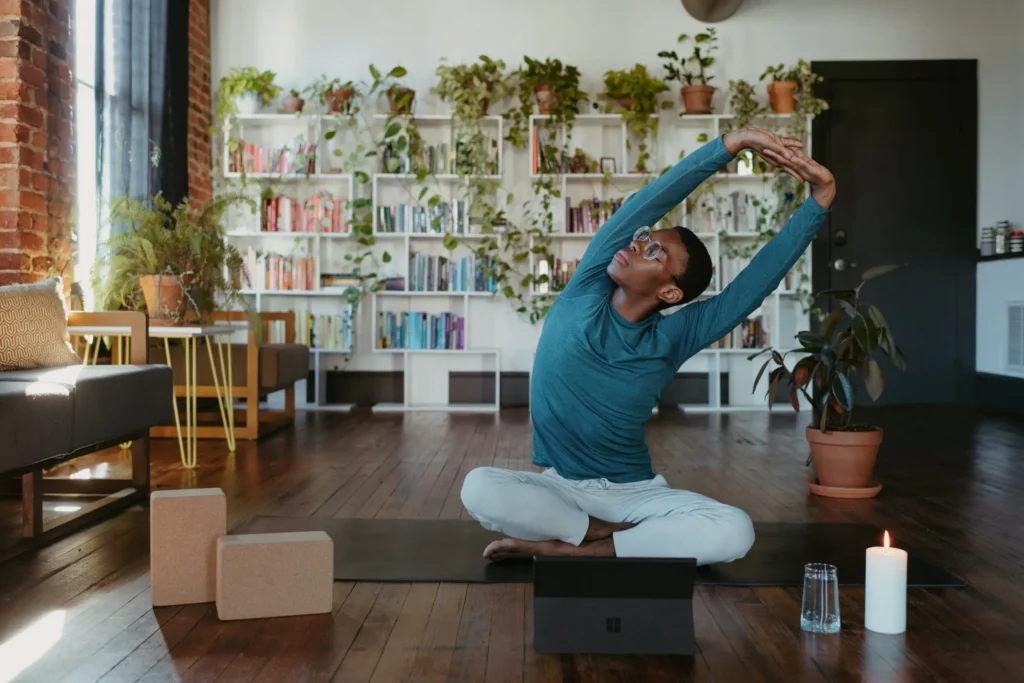
Work schedules, living conditions, and daily environments significantly affect personal wellness. Someone working remotely may focus on reducing prolonged sitting, while another person commuting every day may prioritize stress reduction and adequate sleep.
Successful professionals who build the best online businesses Australia often spend long hours in front of computers. For them, maintaining proper posture, taking screen breaks, exercising regularly, and setting work life boundaries become essential parts of a healthy lifestyle.
Recognizing how our environment influences our health allows us to make practical improvements that support long term well being.
Mental Wellness Is Different For Every Individual
Mental health is equally important as physical health, yet emotional needs vary greatly between individuals. Some people recharge through quiet reflection, while others gain energy from social interaction or creative hobbies.
Managing stress does not require a single solution. Meditation, reading, spending time outdoors, journaling, music, volunteering, or practicing mindfulness may all contribute to better emotional balance depending on personal preferences.
The goal is not to eliminate every challenge but to develop healthy ways of responding to life’s demands.
Life Stages Bring Changing Priorities
Personal wellness naturally evolves throughout life. Young adults often focus on building healthy habits while balancing education or careers. Parents may place greater importance on managing family responsibilities while maintaining their own health. Older adults may prioritize mobility, bone strength, flexibility, and preventive care.
Even discussions unrelated to health, such as Melbourne property news 2026, remind us that life circumstances continuously change. Relocating, purchasing a home, changing careers, or starting a family can all influence wellness priorities. Adapting healthy habits during these transitions helps maintain long term balance.
Accepting that wellness needs change over time encourages flexibility instead of frustration.
Social Connections Affect Overall Health
Humans naturally benefit from meaningful relationships. Supportive friendships, family connections, and positive communities contribute to emotional resilience and overall happiness.
Some people thrive in active social environments like the Sydney social scene, enjoying regular gatherings and community activities. Others prefer smaller groups or quiet personal interactions. Neither approach is inherently better because social wellness depends on what feels authentic and emotionally fulfilling.
Healthy relationships reduce feelings of isolation and often encourage healthier lifestyle choices.
Personal Identity Shapes Healthy Living
Individual identity, interests, and cultural influences all affect wellness decisions. Clothing choices, hobbies, traditions, and creative expression contribute to confidence and emotional satisfaction.
For example, interest in Australian urban fashion may encourage someone to spend more time outdoors, attend community events, or express personal creativity through style. While fashion itself is not a health practice, feeling comfortable and confident can positively influence emotional well being and self esteem.
Wellness includes finding balance between physical health, emotional happiness, personal identity, and meaningful experiences.
Building A Sustainable Wellness Journey
One of the biggest mistakes people make is expecting immediate transformation. Sustainable wellness develops through consistent, manageable improvements rather than dramatic changes.
Setting realistic goals, celebrating small achievements, staying physically active, eating nutritious meals, sleeping well, and managing stress all contribute to lasting health. It is equally important to adjust routines when circumstances change rather than giving up entirely.
Instead of chasing perfection, individuals should focus on creating habits they can comfortably maintain for years.
Conclusion
Personal wellness is not a fixed destination or a universal formula. Every individual has different health goals, responsibilities, preferences, and life experiences that shape what wellness looks like. Comparing one person’s journey with another often creates unnecessary pressure and unrealistic expectations. By understanding personal needs, adapting healthy habits to changing circumstances, and focusing on steady progress, everyone can build a wellness routine that supports both physical health and emotional well being for the long term.